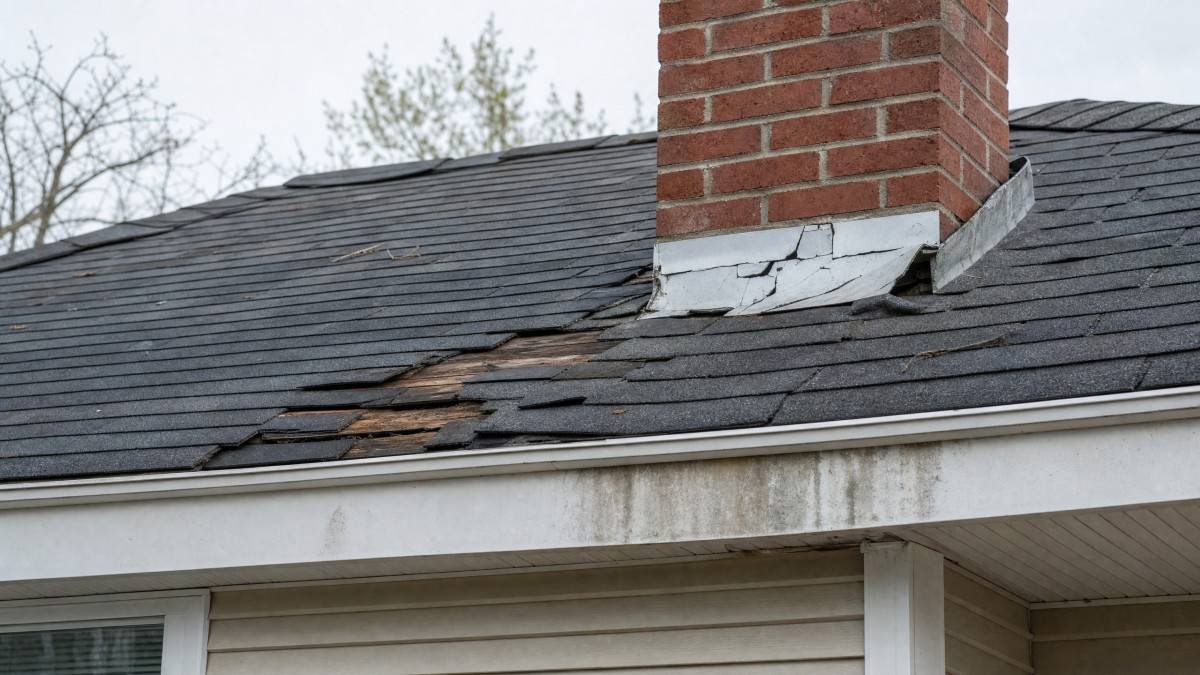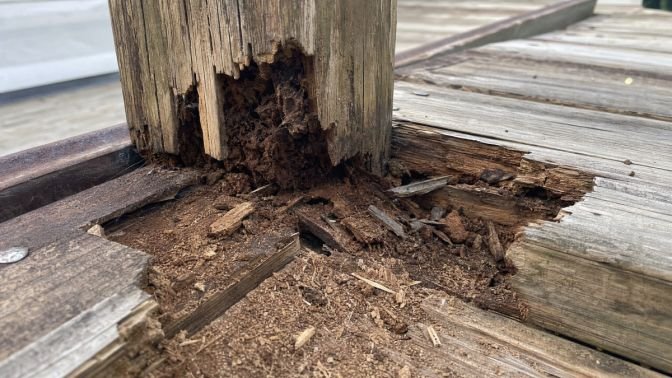




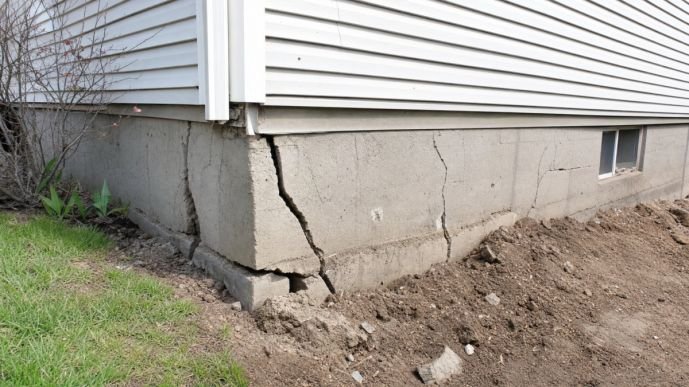
Foundation settlement is a complex problem that does not always present itself immediately. Sometimes subtle signs develop gradually, making it challenging for homeowners to realize the severity of the issue until more significant damage occurs. Early detection through vigilant observation and routine inspections plays a vital role in mitigating costly repairs. Awareness of environmental factors and soil behavior around the home further empowers homeowners to safeguard their properties effectively.
Many homeowners underestimate the impact of soil conditions on their foundation’s stability. Soil types vary widely, and some soils are more prone to shifting, shrinking, or expanding due to moisture changes. Over time, these natural processes can exert immense pressure on a home’s foundation, leading to settlement issues. Gaining a comprehensive understanding of how soil interacts with foundation systems is essential for long-term maintenance and protection.
In addition to environmental and soil factors, human activities can influence foundation settlement. Construction practices, landscape modifications, and changes in drainage patterns around the property all contribute. When combined, these elements may accelerate foundation problems if not properly managed. Homeowners who remain proactive and informed about these influences can better preserve their homes and avoid unexpected structural challenges.
Understanding Foundation Settlement
Foundation settlement happens when the soil supporting a house compresses or moves, causing the building to sink unevenly or shift. This movement can be uniform, where the entire foundation settles evenly, or differential, where some parts settle more than others. Differential settlement is more problematic as it stresses the structure unevenly, leading to cracks and other damage. Over a quarter of homes experience some form of foundation distress at some point, making awareness essential for homeowners.
The causes of foundation settlement vary, including expansive clay soils that swell and shrink with moisture changes, poor soil compaction during construction, intrusion of tree roots, and plumbing leaks beneath slab foundations. Environmental factors such as drought followed by heavy rains and improper drainage directing water toward the foundation also contribute. Understanding these causes helps in diagnosing the problem and planning effective repairs.
Soil composition plays a crucial role in foundation performance. Clay soils, for example, are notorious for their high shrink-swell potential, which can create significant movement beneath a foundation. Sandy or gravelly soils tend to drain better and are less likely to cause severe settlement issues, though they can still shift under certain conditions. Recognizing the type of soil present around a home can aid in anticipating potential settlement challenges.
Another factor influencing foundation settlement is the quality of construction and site preparation. Homes built on poorly compacted fill or disturbed soils are more susceptible to uneven settling. The absence of proper moisture barriers or inadequate drainage systems can exacerbate soil movement by allowing water to infiltrate and erode the supporting ground. Addressing these foundational factors early in the construction phase or during renovations can reduce future settlement risks.
Recognizing Signs of Foundation Settlement
Visible indicators of foundation settlement include diagonal cracks near window and door corners, stair-step cracks in brick or block walls, and cracks in drywall. Doors or windows that stick or fail to close properly may also signal uneven foundation movement. Additionally, floors may slope or feel uneven, and gaps can appear between walls and ceilings. A leaning chimney is another symptom of foundation distress.
Recognizing these signs early is key to limiting damage. Hairline cracks might be normal due to minor settling, but wide diagonal cracks or active movement require prompt professional assessment. Monitoring crack size over time can reveal ongoing shifts. Homeowners should pay attention to any new or worsening symptoms and avoid ignoring subtle warning signs.
In addition to visible cracks and sticking doors, unusual sounds such as creaking or popping noises in the walls or floors may indicate foundation movement. These auditory clues often accompany structural stress and should not be overlooked. Homeowners might also notice separation between exterior siding and the foundation, signaling shifting or settling beneath the surface.
Interior signs can also include uneven gaps between baseboards and floors or separation of molding from walls. These subtle changes may seem cosmetic but often reflect underlying foundation issues. Uneven floors that cause furniture to tilt or create tripping hazards should be investigated. The presence of moisture or dampness near cracks can further indicate water-related soil problems contributing to settlement.
Inspecting Foundation Settlement
Inspection of foundation settlement should be conducted by a structural engineer or qualified professional to accurately assess the extent of damage and causes. The inspection process involves examining crack patterns—diagonal cracks typically indicate settlement, while horizontal cracks suggest lateral pressure. Measuring floor slope using a level helps determine unevenness, and monitoring crack width over time reveals active movement.
During inspection, professionals also check soil conditions, drainage around the home, and signs of moisture intrusion. Identifying whether the settlement is ongoing or stabilized influences repair decisions. Accurate diagnosis ensures that appropriate corrective actions are taken, preventing further structural issues and safeguarding the home.
Inspectors often employ specialized tools such as laser levels, crack gauges, and moisture meters to gain precise measurements. These devices help determine the severity of foundation movement and identify active soil moisture changes. Detailed documentation of findings forms the basis for repair recommendations and guides contractors during remediation.
In some cases, inspectors may recommend soil testing or geotechnical evaluations to better understand subsurface conditions. These assessments provide valuable insight into soil composition, bearing capacity, and potential for future movement. Combining visual inspection with scientific testing leads to a comprehensive understanding of the foundation’s health and necessary interventions.
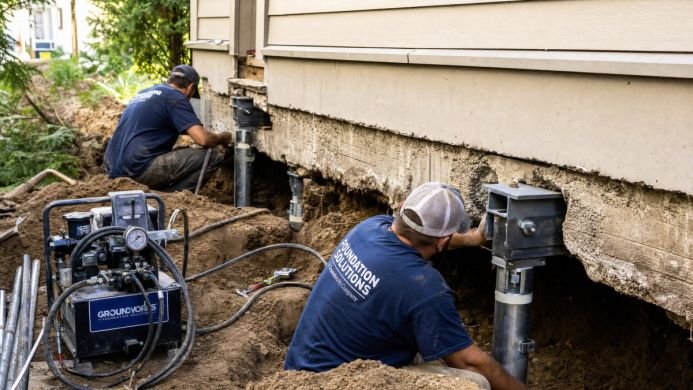
Repair Options for Foundation Settlement
Repairing foundation settlement depends on the severity and underlying cause. Common methods include mudjacking or slabjacking, which involve pumping grout beneath the slab to lift it. Polyurethane foam injection is a lightweight, fast alternative that fills voids and stabilizes soil. For significant settlement, steel push piers or helical piers provide deep foundation support by transferring the load to stable soil or bedrock.
Carbon fiber straps can reinforce bowing walls but do not address soil movement. Selecting the right repair requires professional evaluation to match the technique to the home’s needs. Prompt repair can prevent escalating damage and improve the structure’s longevity.
Some repair methods focus not only on lifting and stabilizing the foundation but also on improving soil conditions. For example, chemical soil stabilization can be used in conjunction with pier installations to enhance bearing capacity. Additionally, underpinning techniques may be customized based on the home’s design, soil type, and accessibility, ensuring a durable and effective solution.
Homeowners should consider the lifespan and warranty of each repair method. Polyurethane foam injections cure rapidly and can often be completed in a single day, minimizing disruption. Pier installations may require more extensive work but offer a permanent fix for severe cases. Understanding the pros and cons of each option enables informed decision-making aligned with budget and project goals.
| Repair Method | Description | Typical Cost Range | Suitability |
|---|---|---|---|
| Mudjacking / Slabjacking | Pumping grout under slab to lift and stabilize foundation | $500 to $1,500 | Minor to moderate settlement on concrete slabs |
| Polyurethane Foam Injection | Injecting expanding foam to fill voids and lift foundation | $1,000 to $3,000 | Lightweight, fast cure; suitable for small to medium issues |
| Steel Push Piers | Driving steel piers to stable soil for deep foundation support | $1,000 to $3,000 per pier | Severe settlement requiring permanent solution |
| Helical Piers | Screw-like piers installed deep to stabilize foundation | $1,500 to $3,500 per pier | Areas with limited access or unstable soils |
| Carbon Fiber Straps | Reinforcement for bowing or cracked walls, no soil stabilization | $500 to $2,000 | Wall reinforcement, not foundation lifting |
Preventing Foundation Settlement
Preventive measures reduce the risk of foundation settlement by managing soil moisture and structural loads. Maintaining proper grading around the home directs water away from the foundation, preventing erosion and soil movement. Keeping gutters clean and ensuring downspouts discharge water well away from the foundation also helps control moisture levels.
Avoiding the planting of large trees near the foundation limits root intrusion that can disturb soil. Prompt repair of plumbing leaks under slabs prevents soil washout. Consistent moisture management and routine inspections help maintain foundation stability and minimize future settlement problems.
In addition to moisture control, reinforcing the foundation during initial construction with adequate footings and moisture barriers can significantly reduce settlement risk. Installing French drains or sump pumps in areas prone to water accumulation further protects the soil beneath the foundation. Regular landscaping maintenance that prevents water pooling near the house is another important preventive step.
Homeowners should also monitor changes in nearby vegetation and soil conditions, especially after droughts or heavy rains. Seasonal fluctuations can impact soil moisture and pressure on the foundation. Being proactive about recognizing and responding to environmental changes around the property helps maintain foundation health over time.
Frequently Asked Questions
What is the difference between normal and serious foundation settlement?
Normal settlement often produces hairline cracks that do not worsen over time and usually pose no structural risk. Serious settlement involves wide diagonal cracks, active movement, doors or windows that stick, and noticeable floor slopes. Serious cases require professional evaluation and repair, as ongoing movement can compromise the home’s safety and value.
How much does foundation settlement repair typically cost?
Repair costs vary by method and severity. Mudjacking usually ranges from $500 to $1,500, while pier systems like steel push piers or helical piers may cost between $1,000 and $3,500 per pier. Polyurethane foam injection generally costs around $1,000 to $3,000. Costs depend on the extent of settlement and repair complexity.
Does homeowners insurance cover foundation settlement repair?
Most homeowners insurance policies exclude coverage for gradual foundation settlement caused by soil movement. However, sudden damage from covered perils such as earthquakes or plumbing leaks may be eligible. It is important to review individual policy terms, as gradual settlement repairs are typically considered maintenance, not covered losses.
Can foundation settlement repairs be done as a DIY project?
DIY repair is not recommended for foundation settlement due to the complexity and potential risks. Professional assessment and specialized equipment are necessary to ensure proper diagnosis and effective remediation. Attempting repairs without expertise can worsen damage and increase costs.
Why should a structural engineer be consulted before hiring a contractor?
A structural engineer provides an independent assessment of the foundation condition, identifying causes and severity accurately. This evaluation guides the selection of appropriate repair methods. Hiring a contractor without an engineer’s report risks unnecessary or ineffective repairs, potentially leading to ongoing problems.
Conclusion
Foundation settlement is a common but serious issue that can compromise a home’s structural integrity if untreated. Recognizing signs such as diagonal cracks, sticking doors, and uneven floors enables early detection. Professional inspection is essential to assess the scope of settlement and determine appropriate repair methods, which vary from mudjacking to deep pier installations.
Preventive actions like maintaining proper drainage, managing soil moisture, and avoiding large tree roots near the foundation help reduce settlement risk. Homeowners should prioritize timely evaluation and repair to protect their property’s safety and value over time.