



Replacing a roof is one of the most expensive and stressful projects a homeowner will face. Whether you are buying a new home with an older roof, or your current roof is starting to look a little tired, the most pressing question on your mind is likely: how long does a shingle roof actually last, explains Yourway Properties specialists.
If you ask a roofing salesman, they might point to a brochure that says “30-Year Shingles” or “Lifetime Warranty.” But if you ask a homeowner who just had to replace their roof after 16 years, you will hear a very different story. The truth about roof lifespans lies somewhere between marketing hype and environmental reality.
The Short Answer
The average asphalt shingle roof lasts between 15 and 25 years in the real world. While marketing materials often boast 30-year or “lifetime” warranties, harsh weather, poor attic ventilation, and UV degradation usually force a replacement much sooner. However, if you upgrade to premium materials like composite, metal, or slate shingles, your roof can last anywhere from 40 to over 100 years.
The “30-Year Warranty” Myth
Many homeowners assume a “30-year shingle” is guaranteed to stay on their roof for three decades. In reality, this is a prorated warranty against manufacturing defects, not a guarantee of lifespan. Usually, only the first 10 years are covered at 100%. If your roof fails in year 22 due to normal weather wear and tear, the manufacturer will likely pay out next to nothing.
Lifespan by Shingle Material
When people say “shingle,” they usually mean asphalt. However, shingles are simply a style of overlapping roofing material, and they come in many different compositions. The material you choose is the single biggest factor in how long your roof will survive.
| Shingle Material | Average Real-World Lifespan | Cost / Durability Profile |
|---|---|---|
| 3-Tab Asphalt | 10 to 15 Years | Lowest cost, highly susceptible to wind damage. |
| Architectural Asphalt | 15 to 25 Years | Thicker, more durable, the standard for modern homes. |
| Wood / Cedar Shake | 20 to 30 Years | Beautiful but requires chemical treatments to prevent rot. |
| Composite / Synthetic | 40 to 50 Years | Made of recycled plastics; highly durable and impact resistant. |
| Metal Shingles | 40 to 70 Years | Excellent wind/fire resistance, premium price point. |
| Natural Slate | 75 to 100+ Years | The gold standard; incredibly heavy and expensive. |
1. Asphalt Shingles (15–25 Years)
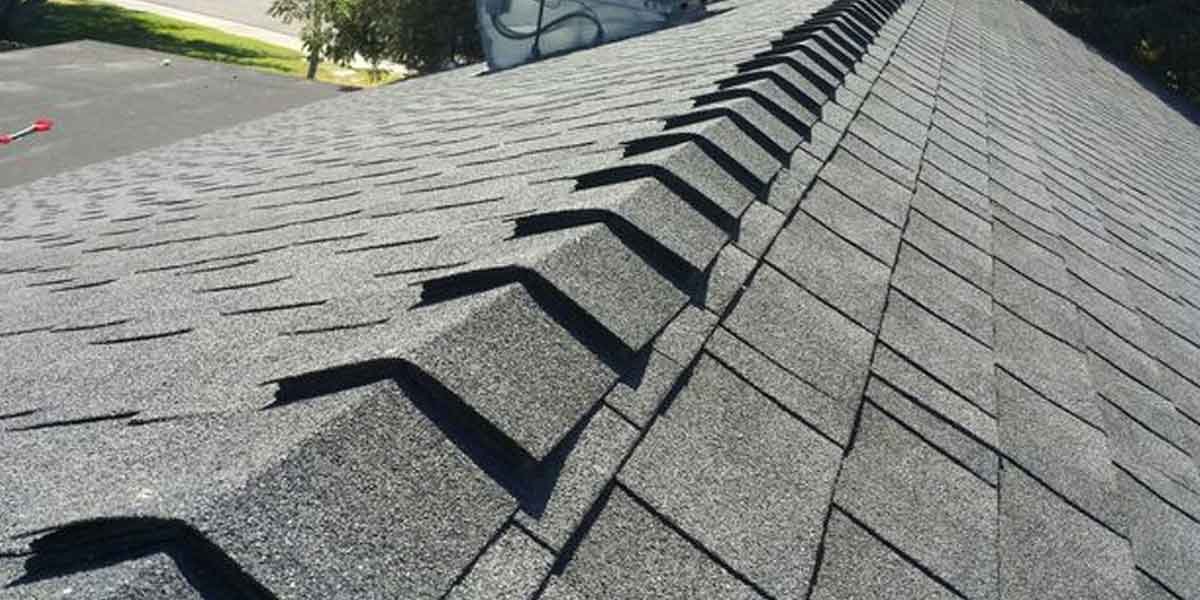
Asphalt is used on over 80% of American homes because it strikes a great balance between affordability and durability. Basic 3-tab shingles are flat and thin, usually giving out around the 15-year mark. Architectural (or dimensional) shingles are thicker, layered, and can withstand higher winds, often pushing past 20 years if the climate is mild.
2. Wood and Cedar Shingles (20–30 Years)
Cedar shingles offer a stunning, rustic aesthetic. However, wood is organic. To get 30 years out of a cedar roof, you must commit to regular maintenance, including clearing debris to prevent moisture buildup and applying fungicidal treatments every few years to stop rot and moss.
3. Composite / Synthetic Shingles (40–50 Years)
Composite shingles are the modern marvel of the roofing industry. Made from a blend of fiberglass, recycled paper, and advanced polymers, they are molded to look exactly like natural slate or cedar. Because they are synthetic, they do not rot, they resist massive hail impacts, and they can easily last half a century.
4. Metal Shingles (40–70 Years)
If you want the longevity of a metal roof but hate the industrial look of standing seam panels, metal shingles (often made of stamped steel or aluminum) are the answer. They shed snow easily, reflect UV rays to lower cooling costs, and will likely outlast your time in the home.
5. Slate Shingles (75–100+ Years)
Natural stone slate is the ultimate roofing material. It is completely fireproof, waterproof, and immune to UV degradation. The only reason a slate roof fails is if the underlying roof deck rots or if the home’s structure cannot support the immense weight of the stone.
Real Homeowner Experiences
To cut through the marketing jargon, we looked at community discussions on Reddit where homeowners and roofers shared their real-world experiences with shingle lifespans.
“First, a ’30 year’ shingle probably will not last 30 years. The average is closer to 15 or 20 max without any storm damage. Second, this is a warranty not a guarantee. A 30 year shingle warranty is based on proration… To complicate matters: all shingles now have a ‘lifetime’ warranty with only the first 10 years being covered 100% from manufacturer defects.”
— u/alrashid2, r/HomeImprovement
“Rarely, if ever do shingles last their intended lifespan. So many factors like, were they originally installed per manuf spec? Most are not. Having a knowledgeable roofer inspect will give you the best idea.”
— u/Sons_of_harvest, r/HomeImprovement
4 Hidden Factors That Destroy Shingles Early
If your neighbor’s roof lasted 25 years and yours failed at 14, it is rarely just bad luck. Several hidden factors dictate the true lifespan of your shingles:
- Poor Attic Ventilation: This is the number one killer of asphalt roofs. If your attic does not have proper intake (soffit) and exhaust (ridge) vents, summer heat gets trapped. This literally bakes the shingles from the inside out, causing them to blister, crack, and curl prematurely.
- Harsh Climates and UV Rays: Homes in Florida or Arizona face intense, daily UV radiation that dries out the asphalt oils. Homes in Colorado face massive hail and freeze/thaw cycles that expand and contract the shingles. Extreme weather always shortens a roof’s life.
- Sloppy Installation: If a roofer uses three nails per shingle instead of the recommended four to six, or if they drive the nails too high (missing the reinforced nail strip), a moderate windstorm will easily rip the shingles right off the roof.
- Overhanging Trees: Trees provide shade, but they also drop acidic leaves, trap moisture against the roof, and provide a bridge for squirrels and raccoons to chew on your roof deck. Furthermore, a scraping branch will strip the protective granules right off an asphalt shingle.
5 Signs It’s Time to Replace Your Shingle Roof
You should never wait for water to start dripping into your living room before replacing your roof. Look for these early warning signs from the ground (or a sturdy ladder):
- Curling or Cupping: If the edges of your shingles are turning upward like a potato chip, the asphalt has dried out and they are no longer watertight.
- Bald Spots: Asphalt shingles are coated in tiny stone granules that protect them from the sun. If you see bald, black patches on the roof, or find piles of sandy granules at the bottom of your downspouts, the shingles are at the end of their life.
- Missing Shingles: A few missing shingles can be patched. But if every windstorm results in shingles blowing into your yard, the adhesive sealant strips have failed globally.
- Sagging Roof Deck: If the roofline looks wavy or dips in the middle, moisture has likely bypassed the shingles and begun rotting the wooden decking underneath. This is a structural emergency.
- Moss and Algae Overgrowth: While black algae streaks are mostly cosmetic, thick green moss is dangerous. Moss roots hold water against the shingles, slowly prying them apart and causing rot.
Frequently Asked Questions (FAQ)
In some jurisdictions, building codes allow for two layers of asphalt shingles. However, most professional roofers highly advise against “roof-overs.” Adding a second layer adds immense weight to your home, traps heat (shortening the life of the new shingles), and prevents the roofer from inspecting the wooden deck underneath for hidden rot.2. Do roof rejuvenation sprays actually work?
Products like Roof Maxx use a soy-based oil spray to restore flexibility to dried-out asphalt shingles. If your roof is between 10 and 15 years old and the granules are still intact, these treatments can legitimately add 5 years to your roof’s life. However, they cannot fix curled, broken, or missing shingles.3. Does shingle color affect lifespan?
Slightly. Darker shingles absorb more heat from the sun. In hot, southern climates, a black roof will run significantly hotter than a light gray roof, which can accelerate thermal degradation. In colder, northern climates, the color difference has a negligible impact on lifespan.4. How often should I have my roof inspected?
You should perform a visual inspection from the ground twice a year (spring and fall). You should hire a professional roofer to do a physical inspection every 3 to 5 years, or immediately following a major hail or wind storm.
Conclusion
Understanding how long a shingle roof lasts requires looking past the warranty marketing. For the vast majority of homeowners with standard asphalt shingles, you should budget for a roof replacement every 15 to 20 years. By ensuring your attic is properly ventilated, keeping trees trimmed, and hiring a reputable installer, you can maximize your investment and keep your home protected for decades to come.