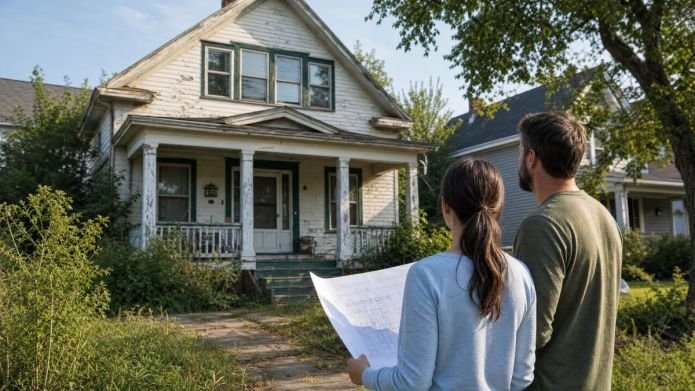





Understanding the Property’s History
Inquiring about a property’s history provides invaluable insights into its maintenance, potential recurring issues, and any significant upgrades or repairs undertaken by previous owners. This knowledge helps prospective buyers anticipate future expenses, understand the home’s resilience to common problems, and assess the overall care it has received over time. A detailed history can reveal patterns of neglect or proactive maintenance, both crucial for long-term homeownership.
Knowing the property’s past can prevent future surprises. Ask about the age of major systems like the HVAC, water heater, and roof. Understanding when these components were last serviced or replaced can indicate upcoming expenses. For instance, a roof nearing the end of its lifespan could mean a significant investment shortly after purchase.
Furthermore, inquire about any past issues such as flooding, mold, or pest infestations. While sellers are often legally obligated to disclose known defects, asking directly can prompt more detailed explanations. This information is vital for assessing potential health risks or structural damage that might not be immediately apparent during a brief showing. For example, issues with insulation and ventilation are common, with over 18% of home inspections uncovering problems with windows, which can lead to higher energy bills and discomfort [3].
Assessing Structural and Mechanical Integrity
Evaluating the structural and mechanical integrity of a home during a showing involves looking beyond cosmetic appeal to identify potential underlying problems that could lead to costly repairs. This assessment includes examining the foundation, electrical systems, plumbing, and heating/cooling units for signs of wear, damage, or outdated components. Early detection of these issues can inform negotiation strategies and highlight the necessity of thorough professional inspections.
Inspect the foundation for cracks, uneven floors, or signs of water intrusion in the basement or crawl space. These could indicate serious structural problems that are expensive to rectify. Similarly, check for visible leaks under sinks, around toilets, and near water heaters, as plumbing issues are among the most common problems found during home inspections [1].
Examine the electrical panel to see if it appears outdated or if there are any exposed wires. An older electrical system might not support modern power demands and could pose a safety hazard. According to the National Association of Realtors (NAR), nearly 88% of buyers used a home inspector’s services for their most recent home purchase, highlighting the importance of professional evaluation for these critical areas [2]. Foundation cracks, roof damage, and plumbing problems are consistently among the top red flags identified by inspectors, underscoring the need for thorough questioning during a showing.
Understanding the Neighborhood and Local Environment
Beyond the confines of the property itself, understanding the surrounding neighborhood and local environment is paramount for long-term satisfaction and investment value. This involves inquiring about local amenities, community dynamics, noise levels, and future development plans that could impact daily life or property appreciation. A thorough understanding of the locale ensures the home aligns with a buyer’s lifestyle and future aspirations.
Ask about local schools, public transportation options, and proximity to essential services like grocery stores and hospitals. Understanding the commute times to work or other frequent destinations is also crucial. A vibrant community with good infrastructure often translates to a better quality of life and potentially higher property values. Consider the local crime rates and the quality of public services, as these factors significantly contribute to the overall desirability and safety of an area.
Inquire about neighborhood noise levels, especially during different times of the day or week. Proximity to busy roads, commercial areas, or even active parks can significantly impact peace and quiet. Furthermore, ask about any planned developments in the area, such as new construction or zoning changes, which could affect views, traffic, or property character.
Financial and Legal Considerations
Delving into the financial and legal aspects of a property during a home showing is essential for a clear understanding of the total cost of ownership and any potential liabilities. This includes questions about property taxes, utility costs, homeowner association (HOA) fees, and any existing easements or liens. Comprehensive knowledge of these factors allows buyers to accurately budget and avoid unforeseen financial burdens or legal complications post-purchase.
Clarify the current property tax rates and how they might change after a sale. Also, request information on average utility costs for electricity, gas, water, and sewer, as these can vary significantly and impact monthly expenses. If the property is part of an HOA, understand the fees, what they cover, and the association’s rules and regulations.
Ask about any known easements, boundary disputes, or pending legal issues related to the property. These can affect property use, future development, or even resale value. According to Sarah Johnson, a senior real estate attorney at LexCorp Legal, “understanding all financial and legal obligations upfront is non-negotiable for any serious homebuyer. It protects against unexpected costs and ensures a smooth transition of ownership.” A clear understanding of these legal aspects ensures that the buyer is fully aware of any restrictions or obligations tied to the property, preventing future disputes or complications.
Key Questions to Ask During a Home Showing
During a home showing, asking targeted questions about the property’s condition, history, and surrounding environment can uncover crucial details that influence a buying decision. These questions help assess structural integrity, understand maintenance records, evaluate neighborhood fit, and clarify financial obligations. Proactive inquiry ensures buyers are well-informed, enabling them to make a confident and strategic offer.
To streamline your home showing experience, consider organizing your questions into categories. This approach ensures that no critical area is overlooked and allows for a systematic comparison between properties. A well-prepared buyer is a confident buyer, capable of identifying both opportunities and potential pitfalls.
| Category | Key Questions | Why It Matters |
|---|---|---|
| Property History | How old are the major systems (HVAC, roof, water heater)? Have there been any significant repairs or renovations? Any past issues with flooding, mold, or pests? | Reveals potential upcoming expenses and hidden problems. |
| Structural & Mechanical | Are there any visible cracks in the foundation? How old is the electrical panel? What is the condition of the plumbing? | Identifies costly structural or system failures. |
| Neighborhood & Environment | What are the local school ratings? How is the public transportation? What are the typical noise levels? Any planned developments nearby? | Assesses lifestyle fit, convenience, and future property value. |
| Financial & Legal | What are the average monthly utility costs? Are there HOA fees, and what do they cover? Are there any easements or boundary disputes? | Clarifies total cost of ownership and potential legal liabilities. |
The Importance of a Second Showing and Professional Inspections
A second home showing offers an invaluable opportunity to revisit the property with fresh eyes, allowing buyers to confirm initial impressions, ask follow-up questions, and bring along trusted advisors or contractors for a more detailed assessment. This subsequent visit can reveal details missed during the first viewing and is crucial before committing to a purchase. It also sets the stage for comprehensive professional inspections.
During a second showing, focus on areas you might have overlooked or had lingering questions about. This is an excellent time to measure rooms for furniture, test appliances, and observe the neighborhood at a different time of day. Bringing a contractor or a trusted friend with a keen eye for detail can provide an objective perspective and highlight potential concerns.
Ultimately, a professional home inspection is non-negotiable. While your questions during showings provide a preliminary understanding, a certified inspector will conduct a thorough examination of the home’s structure, systems, and components. This detailed report will uncover hidden defects and provide a clear picture of the property’s true condition, empowering you to make an informed decision or negotiate repairs.
Frequently Asked Questions
What is the most important question to ask during a home showing?
The most crucial question often revolves around the property’s history, including any major repairs, renovations, or known issues. Understanding past problems can reveal potential future expenses and provide insight into the home’s overall condition and maintenance.
Should I bring a checklist to a home showing?
Bringing a detailed checklist to a home showing is highly recommended. It helps ensure you cover all essential aspects, from structural integrity to neighborhood amenities, and allows for consistent evaluation across multiple properties. This systematic approach aids in making an informed decision.
How many home showings does it take to sell a house?
While there’s no universal answer, real estate professionals often cite that it takes an average of 10 to 25 showings before a typical house attracts a serious offer. This number can vary significantly based on market conditions, pricing, and the home’s appeal.
What are common red flags to look for during a home showing?
Common red flags include visible water stains, unusual odors, cracks in the foundation, signs of pests, outdated electrical panels, and poorly maintained HVAC systems. These issues can indicate significant repair costs and should prompt further investigation during a professional inspection.
A home showing is more than just a walk-through; it’s a critical investigative step in the home-buying process. By asking the right questions and maintaining a keen eye for detail, prospective buyers can uncover vital information that might otherwise remain hidden. This proactive approach empowers buyers to make informed decisions, negotiate effectively, and ultimately find a home that truly meets their needs and expectations, avoiding costly surprises down the line.
References
- Most Common Home Inspection Findings – ISN
- These Stunning Stats Highlight the Importance of Home Inspection – Windy City Home
- Most Common Home Inspection Findings – ISN